


Think of a Warehouse Management System (WMS) as the digital brain of a warehouse. It is a specialized software built to keep track of every moving part in a distribution center. It follows a product from the moment it arrives at the loading dock until the second it gets packed up and sent out the door.
In this guide, we will look at how a WMS actually works and why it has become the foundation for most modern logistics businesses.
What a WMS actually does
A WMS is much more than just a digital list of your stock. It is an active tool that helps people do their jobs better. Here are the main things it handles:
1. Receiving and putting things away
When new stock arrives, the WMS tells the team exactly where to scan it and where it should be stored. It uses smart rules to make sure popular items stay near the front, while seasonal products are moved to the back. This saves everyone a lot of walking time.
2. Keeping track of inventory
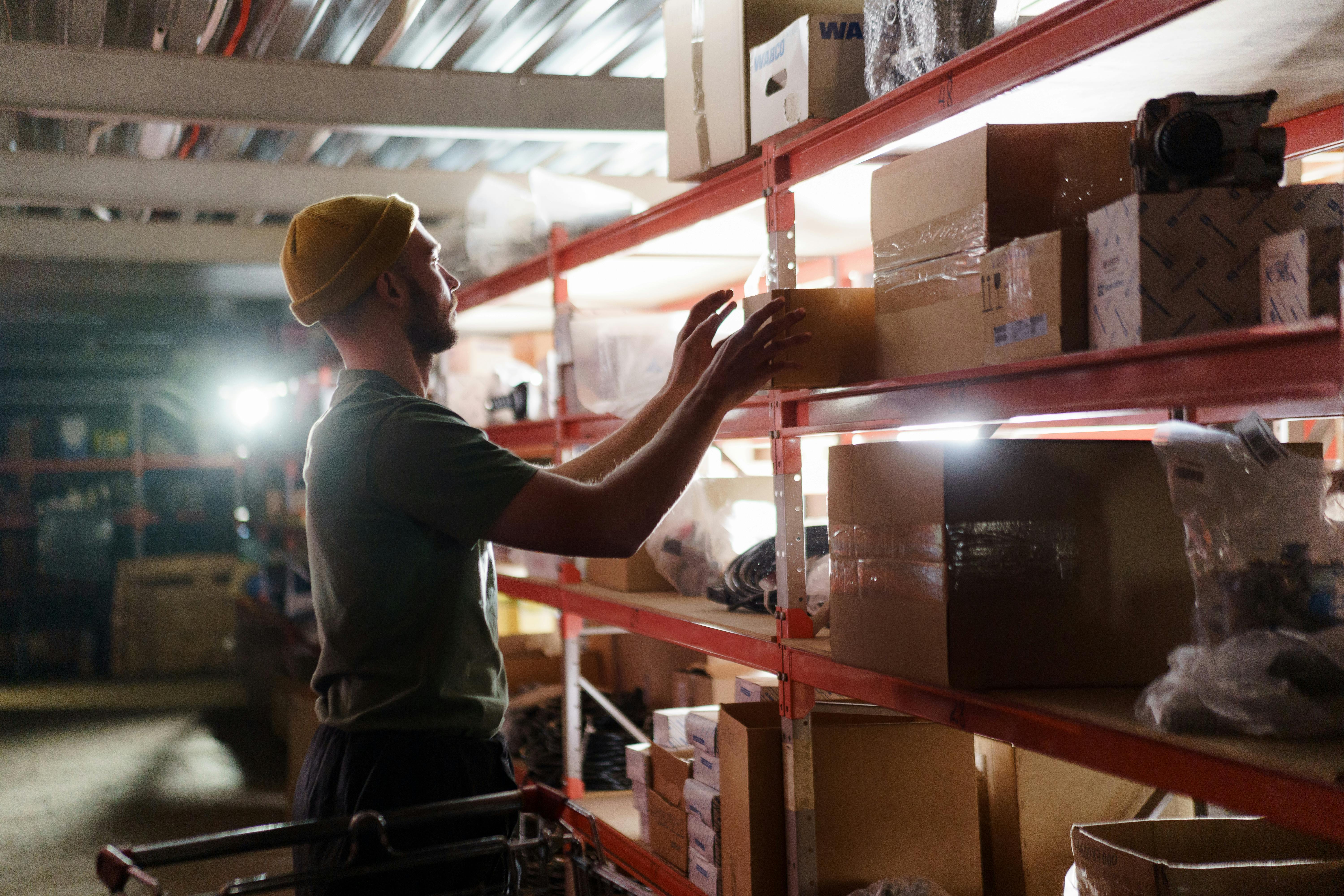
The most important part of a WMS is that it gives you visibility in real time. Every time someone moves an item, they scan it. This means you won't have to deal with lost stock, and your system will always show exactly what is sitting on your shelves.
3. Picking and packing orders
This is where the system really pays off. It helps pickers find the best route through the building so they aren't zig-zagging across the warehouse. It also double-checks every scan to make sure the right customer gets the right package, which stops mistakes before they happen.
| Feature | Using Paper and Pens | Using a WMS |
|---|---|---|
| Inventory Accuracy | 60 to 80 percent | Over 99 percent |
| Speed | Slow and manual | Fast and automated |
| Warehouse Space | Mostly guesswork | Optimized by the system |
| Mistakes | Common human errors | Very rare |
Why companies use a WMS
People usually decide to invest in a WMS for a few simple reasons:
It stops shipping errors
Manual warehouses often deal with "mis-picks," like sending the wrong color or the wrong size. A WMS uses barcode validation to ensure that an order cannot be finished until the correct items are scanned and verified.
It makes fulfillment much faster
We all expect fast delivery these days. By planning the most efficient paths through the warehouse, a WMS helps the team get more orders out the door every hour without feeling more rushed.
It provides better data
Since the system tracks every movement, it gives managers a clear picture of what is happening. You can see where things are slowing down, which parts of the warehouse are too crowded, and exactly when you need to order more stock.
Is it time for a digital system?
Small operations can often get by with simple methods, but there usually comes a point where things get too complex to manage by hand. If you are losing track of items, dealing with too many shipping mistakes, or simply can't keep up with your orders, it is probably time to look into a WMS.
A WMS is no longer just for massive corporations. It has become a standard tool for any warehouse that wants to stay organized and keep its customers happy in a fast-moving market.